
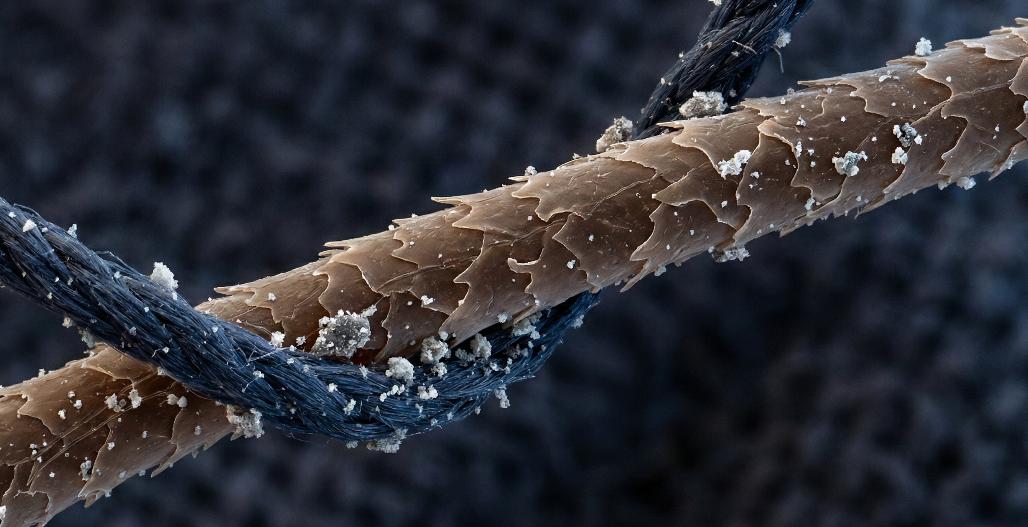
A sofa covered in pet hair is easy to see.
The things that can trigger an allergic reaction are not.
That difference matters because removing visible fur and reducing pet allergens are related tasks, but they are not exactly the same job.
A ChomChom Roller can be useful for collecting loose hair from upholstered furniture, bedding and other suitable fabric surfaces.
It cannot remove every microscopic allergen from a room. Neither can a lint roller. And even a powerful vacuum is only one part of a broader cleaning routine.
So if you live with a cat or dog and allergies are part of the household, the useful question is not: “What removes all pet allergens?”
There is no single household tool that does that. A better question is: “Which cleaning methods help with different parts of the problem?”
That is what this guide is about.
Pet Hair Is Not the Whole Allergy Story
People often use the terms “pet hair” and “pet allergy” as though the hair itself is always the allergen. The situation is more complicated.
Pet allergies are generally associated with proteins produced by animals. These can be present in materials such as:
- dander;
- saliva;
- urine;
- other biological particles.
Those particles can end up on fur and then spread to sofas, bedding, clothing, carpets, pet beds, car interiors and other surfaces around the home.
This is one reason visible hair still matters. The hair may not be the only thing involved, but it can act as a carrier that moves material around the house.
Removing loose fur therefore makes sense as part of normal housekeeping. It should not, however, be confused with medical treatment for an allergy.
Why a Hair-Free Sofa Is Not Necessarily Allergen-Free
Imagine cleaning a dark sofa covered with pale dog hair. After using a pet-hair remover, the visible fur is gone. The sofa immediately looks cleaner.
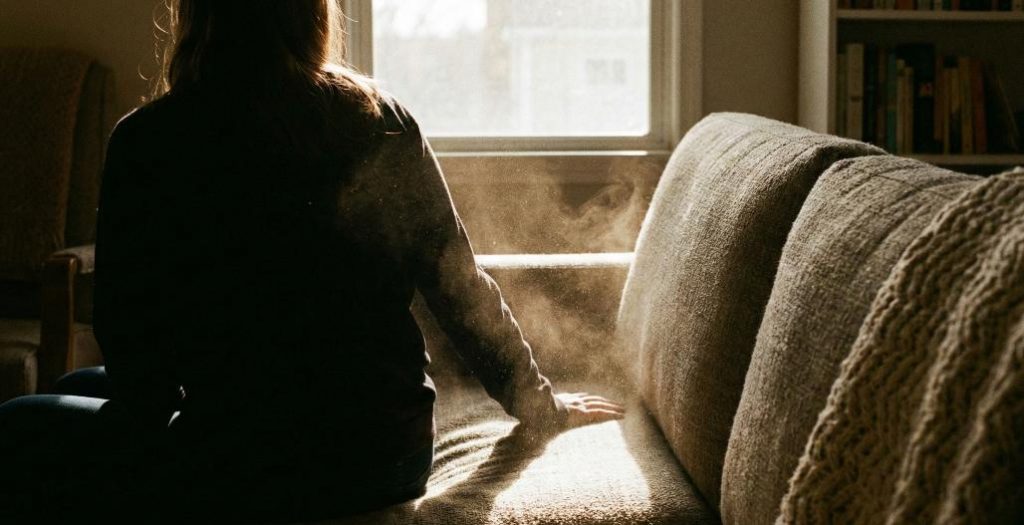
But microscopic particles can remain in the fabric even when your eyes cannot see them. That means visual cleanliness and allergen reduction are not identical.
This distinction is especially important with tools such as the ChomChom Roller. The ChomChom is designed to collect accessible hair and lint through direct surface contact.
It does not:
- wash the fabric;
- filter room air;
- create deep vacuum suction;
- sanitize upholstery;
- medically neutralize allergens.
That does not make it useless. It simply defines the job it actually performs.
Where the ChomChom Roller Fits
The ChomChom is best understood as a surface-hair maintenance tool.
It can be useful on places where loose pet hair repeatedly accumulates, including sofas, upholstered chairs, some pet beds, bedding, fabric car seats and certain rugs or fabric surfaces.
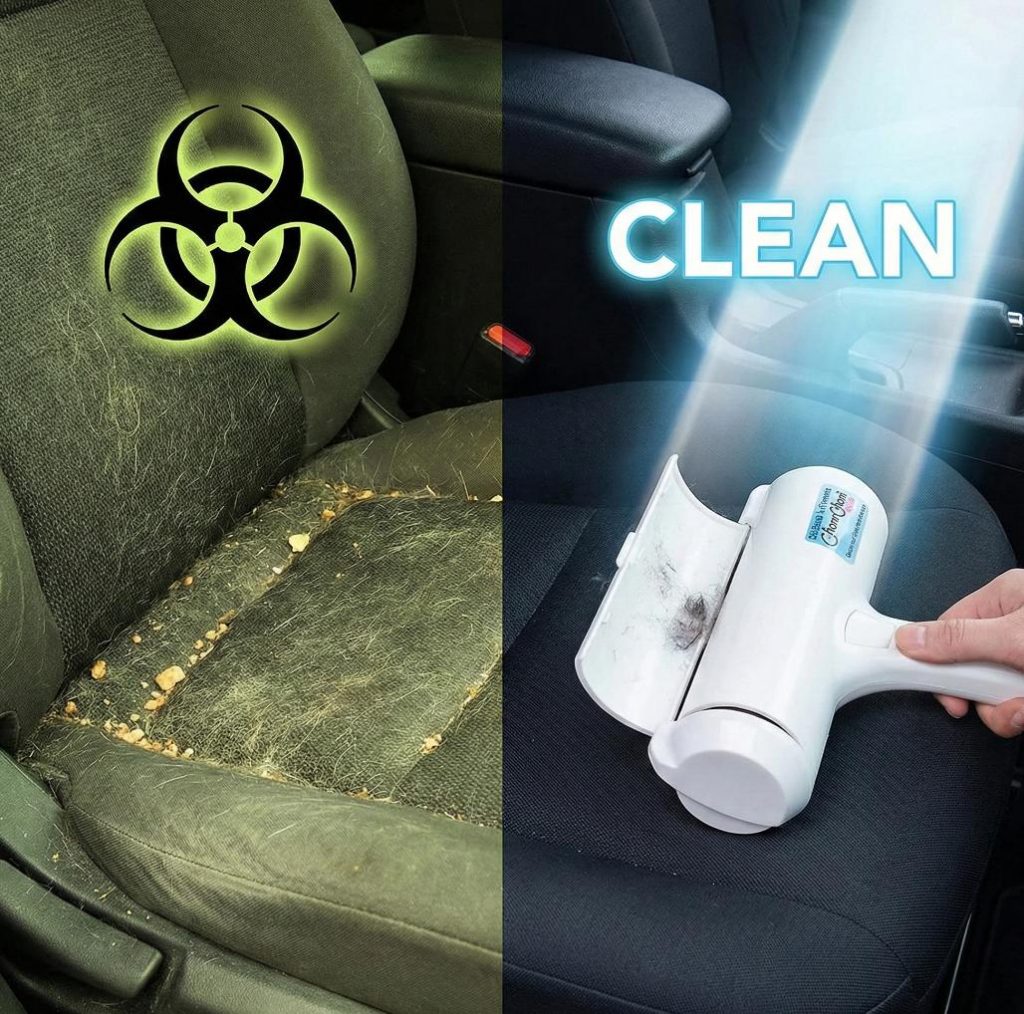
For someone with a shedding pet, those surfaces can look hairy again surprisingly soon after a larger cleaning session.
This is where a reusable manual roller becomes convenient. You do not need to bring out the vacuum every time a thin layer of fur appears. You can remove the visible hair, empty the collection chamber and put the roller away.
That is valuable for daily or frequent maintenance. But when allergy management is the goal, surface hair removal should usually be viewed as one layer of cleaning, not the entire strategy.
Vacuuming Has a Different Role
A vacuum can do things a ChomChom cannot. It can remove a combination of hair, dust, crumbs, fine debris and particles from deeper in some fabrics and carpets.
This makes it more appropriate for full cleaning sessions. The quality of the vacuum, filtration system, attachment and surface all matter.
A suitable upholstery attachment can be useful on sofas and chairs. Carpet usually benefits more from vacuuming than from relying only on a manual hair roller.
For households particularly concerned about airborne or fine particles, filtration can also matter because the goal is not simply to move dust from one place to another.
ChomChom for frequent visible hair maintenance.
Vacuum for more complete removal of hair and general debris.
They are not mutually exclusive.
A Roller and a Vacuum Can Work Better Together
Pet hair creates an odd cleaning problem because it returns constantly. A full vacuum of the sofa every day may be unnecessary or inconvenient. Ignoring the sofa for a week may leave it covered in hair.
A reasonable middle ground is:
between deep cleans: remove visible fur as needed;
during regular cleaning: vacuum upholstery, surrounding floors and other areas where debris accumulates.
The manual roller handles the quick task. The vacuum handles the broader one.
Bedding Deserves More Attention Than It Usually Gets
If a pet sleeps on a bed, blanket or throw, hair is only part of what accumulates there. Fabric can hold fur, dander, dust, skin particles and other household debris.
A ChomChom can remove a substantial amount of loose surface hair before the item is washed. That can be useful because large clumps of fur do not need to go through the washing machine.
But a roller does not replace laundering when the material itself needs cleaning. For washable bedding, regular washing according to the item's care instructions remains a much more complete cleaning method.
The ChomChom is best considered a pre-cleaning or between-wash tool here.
Pet Beds Can Hold More Than You See
Pet beds are often one of the heaviest concentrations of hair in the house. Some are easy to clean. Others have seams, raised edges, textured fabric, removable covers and deep padding.
A ChomChom may work well across broad fabric panels. It may struggle around piping and recessed seams. A vacuum attachment can reach some of those areas more effectively.
If the cover is removable and washable, laundering adds another level of cleaning that a dry roller cannot provide.
A practical sequence may be:
- remove heavy loose hair;
- vacuum difficult areas if necessary;
- wash removable covers according to their care instructions;
- let everything dry fully before reuse.
Sofas Are a Major Hair Collection Point
Furniture is where the ChomChom makes the strongest case for itself. A sofa is large enough that adhesive lint sheets can become tedious, but small enough that vacuuming every time a few new hairs appear may feel excessive.
The broad cushions also give the roller a relatively stable surface. For ordinary hair maintenance, that combination works well.
If allergies are a concern, however, occasionally cleaning beyond the visible surface is still sensible. That can include vacuuming cushions, cleaning underneath removable cushions, washing removable covers where appropriate, cleaning nearby floors and following the furniture manufacturer's care instructions.
The roller keeps the visible problem under control. The rest of the routine addresses what the roller cannot reach.
What About Carpets?
Carpet demonstrates the difference between surface hair and embedded material better than almost any other surface.
Loose fur resting near the top may be accessible to a manual roller. Hair pushed deep between dense fibres is much harder. The same is true for dust and fine debris.
A ChomChom cannot create suction beneath the carpet surface. That is a physical limitation of the mechanism.
For routine carpet cleaning, a suitable vacuum therefore has a much larger role. Some stubborn embedded pet hair may also need mechanical loosening with an appropriate brush, rake or rubber tool before vacuuming.
Clothing Is Another Separate Problem
Pet owners know the black-shirt problem. The house can look clean, yet a few minutes with a cat or dog leaves visible hair all over clothing.
For that task, a sticky lint roller may be more convenient than a full-size ChomChom. It is small, quick and easy to use on trouser legs, jackets, shirts and sleeves.
A ChomChom can work on some sturdy, reasonably flat garments, but its size and back-and-forth action are not ideal for every item.
From an allergy perspective, clothing also matters because it can carry material from one part of the home to another. Removing visible hair is useful, but laundering according to the garment's care instructions provides a more complete clean when needed.
Cleaning Floors Matters Even If Your Pet Prefers the Sofa
Pet hair does not stay where it first lands. Walking, air movement and normal household activity move hair and dust around.
Regular floor cleaning can help remove material that has fallen from furniture, been tracked through rooms, accumulated along walls or collected underneath furniture.
The correct cleaning method depends on the floor. Hard flooring and carpet do not behave the same way.
Removing hair from the sofa while ignoring the floor leaves part of the problem untouched.
Hard Surfaces Are Easier to Forget
Pet-related material can also settle on shelves, tables, windowsills, baseboards and other hard surfaces.
A pet-hair roller is obviously not the main tool for those areas. Appropriate damp dusting or other surface cleaning can help collect settled material rather than simply moving it back into the air.
Always choose a cleaning method that is suitable for the particular surface.
Don't Turn Cleaning Into Dust Redistribution
Aggressive dry dusting can make a room look cleaner while temporarily sending fine particles back into the air. The same problem can happen when heavily dusty textiles are shaken indoors.
Where appropriate, methods that collect material are generally more useful than methods that simply scatter it.
Examples include using a suitable vacuum rather than aggressively beating dusty fabric indoors, damp wiping compatible hard surfaces, emptying collected pet hair carefully and washing washable textiles rather than only brushing them repeatedly.
The goal is removal, not relocation.
Empty the ChomChom Chamber Regularly
The ChomChom stores collected fur inside its compartment. That is convenient, but the chamber is not an infinite bin.
After a particularly hairy sofa or pet bed, empty it. Leaving a large wad of hair inside does not improve the next cleaning session.
It also makes sense to dispose of the collected hair without unnecessarily shaking it around the room.
Our separate How to Clean a ChomChom Roller guide explains routine maintenance and deeper cleaning in more detail.
Cleaning the Roller Itself Matters Too
A reusable hair remover repeatedly contacts the same types of surfaces. Over time, its working areas can collect fine lint, fuzz, dust, small fibres and residue from normal use.
Keeping the mechanism reasonably clean helps the roller continue moving and contacting fabric properly. It is also simply better household hygiene than allowing collected material to build up indefinitely.
Routine maintenance does not need to become complicated. The important part is following appropriate cleaning instructions and allowing the product to dry fully when deeper cleaning involves water.
Does Removing Pet Hair Reduce Allergies?
This needs a careful answer.
Removing pet hair can reduce one visible material that may carry pet-related particles around the home. A cleaner environment may form part of an allergy-management strategy.
But removing visible fur does not guarantee that allergen exposure has been eliminated. Allergy severity differs from person to person, as do animals, surfaces, ventilation and household conditions.
If someone has persistent or significant allergy symptoms, the appropriate step is to discuss them with a qualified healthcare professional rather than relying on a household cleaning product for diagnosis or treatment.
MyChomChom provides cleaning information. It does not diagnose allergies or prescribe medical treatment.
Don't Judge Allergy Control by the Amount of Hair in the Chamber
Opening a ChomChom chamber after cleaning can be satisfying. A large clump of collected fur creates visible proof that something was removed.
But the size of that clump is not a medical measurement. It does not tell you how much allergen remains, how much was airborne, what an individual's exposure level is or whether allergy symptoms will improve.
Visible hair removal can be objectively useful without turning the roller into an allergy-testing device.
More Cleaning Is Not Always Better Cleaning
It can be tempting to respond to allergies by cleaning everything constantly. But effectiveness matters more than frantic repetition.
A routine that is realistic enough to maintain is generally more useful than a complicated schedule that nobody follows after a week.
For example, a household may find it practical to remove visible sofa hair frequently, vacuum floors and upholstery on a regular schedule, wash pet bedding and household textiles when appropriate, keep pet sleeping areas manageable and clean hard surfaces without scattering dust.
The exact frequency depends on the household.
Bedrooms May Need Different Rules
Some households choose to limit pet access to particular rooms, especially bedrooms. Whether that is appropriate depends on the household and any medical guidance a person has received.
From a cleaning perspective, the logic is straightforward: fewer pet-related materials entering a particular room generally means less pet hair to remove from that room.
Cleaning tools work after material arrives. Reducing how much arrives is a different strategy.
Air Cleaning and Surface Cleaning Are Not the Same Thing
A surface roller removes material it physically touches. A vacuum primarily cleans surfaces and collected debris. An air purifier, where appropriate, addresses airborne particles.
These are different mechanisms. One should not be marketed as though it performs all three jobs.
The ChomChom does not clean room air. An air purifier does not remove a layer of dog hair from a sofa. A surface roller does not deep-clean carpet.
Understanding what each tool actually does prevents unrealistic expectations.
What About HEPA Filters?
HEPA filtration is commonly discussed in connection with fine particles. If allergy-related cleaning is a major concern, filtration can be one factor to consider when choosing a vacuum or air-cleaning device.
But a filter label alone does not make every appliance equally effective. Overall design, sealing, maintenance and correct use also matter.
A reusable pet-hair roller should not be compared with a filtered vacuum as though both are performing the same kind of cleaning. They are not.
Can You Completely Remove Pet Allergens From a Home?
That is not a realistic promise for a cleaning article to make. Pet-related particles can spread widely and persist on multiple surfaces.
Even a very clean home is not a laboratory environment. The useful objective is therefore usually reducing accumulation and exposure, not claiming that every allergen has been eliminated.
Any website or product promising that one simple roller can make a pet household completely “allergen-free” deserves skepticism.
The ChomChom can remove hair. That is useful enough without exaggerating the claim.
A Practical Cleaning Routine
Frequent visible hair
Use a suitable hair-removal tool on sofas, chairs and other surfaces where fur accumulates. This is where the ChomChom is most convenient.
Deeper fabric cleaning
Vacuum upholstery and carpet as appropriate. Use attachments suited to the material.
Washable textiles
Wash bedding, throws, removable covers and other washable items according to their care instructions.
Floors
Clean hard floors and carpets using appropriate methods rather than focusing only on furniture.
Hard surfaces
Remove settled dust using methods that collect it instead of simply pushing it into the air.
Roller maintenance
Empty and clean reusable tools as necessary instead of allowing collected material to accumulate.
Consistent ordinary cleaning generally makes more sense than searching for one “miracle” pet-hair product.
Where a Sticky Lint Roller Still Makes Sense
The ChomChom is not automatically the best manual tool in every allergy-conscious household. For clothing, a sticky lint roller can be extremely practical.
Disposable adhesive sheets have obvious waste and refill disadvantages, but small-area convenience is still a genuine strength.
Our ChomChom vs. Lint Roller vs. Vacuum comparison looks at these trade-offs in more detail.
Where the Vacuum Clearly Wins
If the cleaning problem includes dust, crumbs, debris, deep carpet, material underneath cushions or difficult floor areas, the vacuum is doing a more complete job than a manual roller.
The value of the ChomChom is not that it replaces the vacuum. Its value is that many pet-hair jobs do not require a full vacuum session.
What the ChomChom Is Good At
Within a broader cleaning routine, the ChomChom Roller's strengths are fairly clear.
- reusable;
- quiet;
- quick to grab;
- useful across broad upholstery;
- convenient for frequent visible hair removal;
- independent of batteries or power;
- free from normal disposable adhesive refills.
Those qualities can make frequent furniture maintenance easier.
What It Cannot Promise
The ChomChom cannot honestly promise to cure pet allergies, remove every allergen, replace medical advice, filter room air, disinfect fabric, deep-clean carpet, replace a washing machine or replace a vacuum for general cleaning.
Those are not minor disclaimers. They define the boundary between a useful product description and exaggerated health marketing.
If Allergy Symptoms Are Significant
Cleaning advice has limits. Symptoms such as recurring respiratory problems, persistent eye or nasal symptoms, skin reactions or other suspected allergy issues should be discussed with an appropriately qualified healthcare professional.
Individual medical advice can take into account the symptoms involved, personal medical history, testing where appropriate, exposure patterns and treatment options.
An online article cannot do that. MyChomChom's role is limited to practical information about household pet-hair removal and cleaning.
The Bottom Line
Pet hair, pet allergens and household dirt overlap, but they are not the same thing.
The ChomChom Roller can be useful for frequent removal of visible hair from suitable fabric surfaces. A vacuum is more appropriate when the cleaning job includes dust, debris, carpet or deeper material. Washing is important for appropriate washable textiles.
For allergy-conscious households, the ChomChom therefore makes the most sense as one convenient component of a larger routine.
Use it for what it actually does well: accessible pet hair on upholstery and other suitable fabrics.
Do not expect it to do what no manual roller can reasonably do: make an entire home allergen-free.
For the correct rolling technique, see How to Use a ChomChom Roller.
For maintenance, see How to Clean a ChomChom Roller.
For a full evaluation of the product, see our ChomChom Roller Review.
For choosing between different cleaning methods, see ChomChom vs. Lint Roller vs. Vacuum.
For information about how MyChomChom evaluates claims and comparisons, see How We Test Pet Hair Removal Tools.
MyChomChom is an independent editorial website and is not affiliated with or endorsed by ChomChom or its manufacturer.
The health-related information on this page is general and informational only. It is not intended to diagnose, treat or prevent any medical condition and does not replace advice from a qualified healthcare professional.
Some links on MyChomChom may be affiliate links. If a reader makes a qualifying purchase through an eligible Amazon link, MyChomChom may receive a commission at no additional cost to the buyer.